
TOPIC 2 : SEARCH ENGINE OPTIMIZATION (SEO)
What is the meaning of SEO?
Search Engine Optimization (SEO) is a strategic process used to improve the visibility, credibility, and accessibility of digital content in search engine results. In the modern digital environment, information is growing rapidly, but visibility is limited. Only content that aligns with search engine systems is easily discovered. SEO is no longer just a technical activity. It is a holistic digital governance framework that integrates:
- Technical website structure
- Content relevance and clarity
- User behavior and psychology
- Trust, authority, and institutional credibility
How Does Search Engines Work?
Search engines function through three interconnected stages, these include:
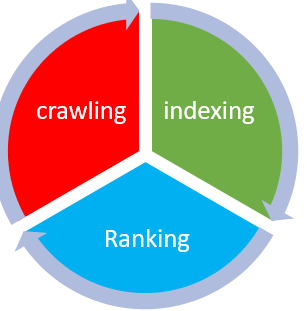
- Crawling
Crawling is the discovery stage where automated programs called crawlers or bots explore the internet by following links. Google uses a crawler known as Googlebot.Because search engines have limited resources, they allocate a crawl budget, which determines:
- Which pages are visited
- How often pages are revisited
- How many pages are crawled
SEO ensures crawl efficiency by:
- Using robots.txt files correctly
- Avoiding duplicate or low-value pages
- Maintaining a clear internal linking structure
2. Indexing
Indexing is the process by which a search engine stores and organizes a web page after it has been discovered (crawled).
- Crawling is like finding a book in a library, while indexing is like cataloging the book on the library shelves, so it can be quickly retrieved when needed.
- Only pages that are properly indexed can appear in search engine results. If a page is not indexed, it is essentially invisible online.
Key Idea:
Indexing transforms raw web pages into structured information that search engines can rank and present to users efficiently.
How does Indexing Work?
After a page is crawled, search engines render the content and analyze it to understand what the page is about. Indexing involves several steps:
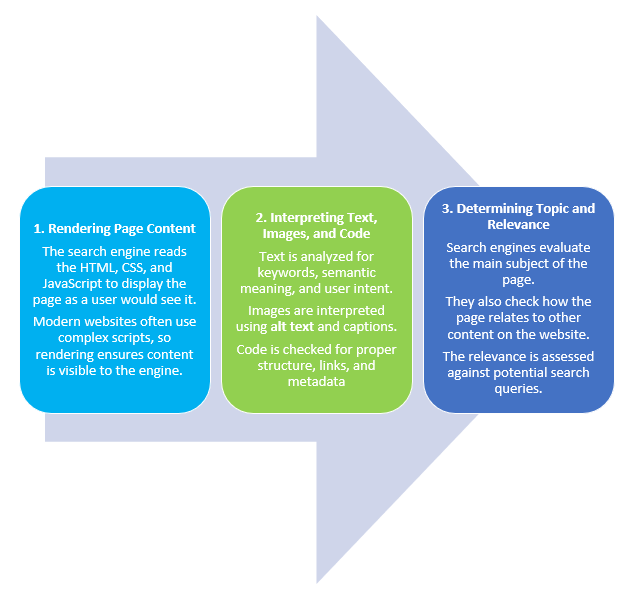
Key Indexing Signals
To help search engines index pages correctly, several technical and content elements are important:
- Title Tags and Meta Descriptions
The title tag summarizes the page topic. The meta description provides a brief overview of page content- Both help search engines and users understand the page.
- Canonical URLs.
These are Used to prevent duplicate content issues and they Tells search engines which version of a page is the “main” one.
- Image Alt Text
They Describe images for search engines and users with visual impairments. This helps pages rank in image searches.
- Structured Data (Schema Markup)
It Provides additional information in a standardized format eg. marking up an article with author, date, and topic. This Helps search engines display rich results (e.g., snippets, reviews).
3. Ranking
Meaning of Ranking
Ranking is the process by which a search engine selects, evaluates, and orders web pages in response to a user’s search query. When a user types a question or phrase into a search engine, the system does not show all available pages. Instead, it carefully chooses the most relevant pages from its index and arranges them from the most useful to the least useful. Ranking determines:
- Which pages appear in search results
- The position of each page
- Whether a page appears on the first page or is buried in later pages
Since most users click results shown at the top, ranking directly affects a website’s visibility and success.
CHARACTERISTICS OF RANKING
a) Dynamic
Ranking is described as dynamic because it changes continuously. Search engines do not use a fixed list of ranked pages. Instead, rankings can change due to:
- Algorithm updates
- New content being published
- Changes in user behavior
- Website improvements or technical issues
For example, a page may rank highly today but drop tomorrow if a better, more relevant page is published or if the website develops technical problems such as slow loading speed. There is no permanent ranking position. SEO requires ongoing improvement.
b) Contextual
Ranking is contextual because search engines consider the context of the search, not just the words typed. Context includes:
- What the user is trying to achieve
- The meaning behind the search query
- Related words and topics
For example: A search for “SEO course” may show different results depending on whether the user wants free notes, paid training, or certification. Search engines analyze context to deliver results that best match the user’s real need, not just keyword matches.
c). Personalized
Ranking is personalized because search engines adapt results based on individual user characteristics. Personalization factors include:
- User search history
- Location
- Language settings
- Device used
For example: Two people searching “best tutoring services” in different towns may see different websites or a user who frequently visits educational websites may see more learning-related results. This personalization improves user satisfaction but makes SEO results vary from person to person.
Factors Influencing Ranking
a) User Location
Search engines prioritize location-based relevance, especially for services and institutions. Examples:
- A search for “digital marketing tutor” in Nairobi will show Nairobi-based websites.
- Local institutions rank higher for nearby users.
SEO implication:
Websites should optimize for local SEO using:
- Location keywords
- Google Business Profile
- Local directories
b) Device Type
Search engines consider the device used by the searcher. Key considerations: Mobile vs desktop experience, Screen size and usability and Loading speed on mobile networks. Since most searches occur on mobile devices, websites that are not mobile-friendly may rank lower.
Websites must therefore be mobile-responsive, Load quickly on mobile devices and Maintain consistent content across devices.
c) Search Intent
Search intent refers to the reason behind a user’s search.
Main types of intent:
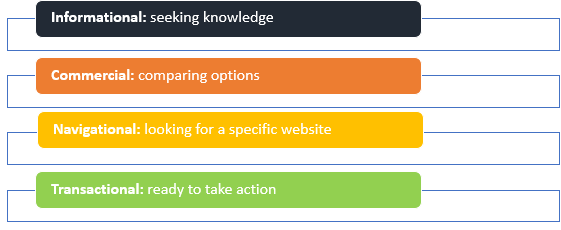
Search engines rank pages that best match the intent, not just keywords.
Example:
- A page selling a course will not rank well for an informational query like “what is SEO?”.
SEO implication:
Content must be designed to satisfy the correct intent.
d) Content Quality and Trust
Content quality is one of the strongest ranking factors.
Characteristics of High-quality content
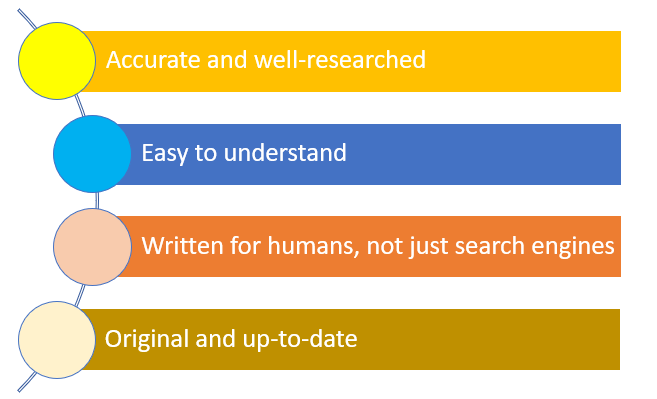
Why First-Page Rankings Matter
Research shows that Most users do not go beyond the first page therefore the top results receive the highest number of clicks and Lower-ranked pages receive minimal attention
This means Ranking on page one is critical for visibility hence SEO directly affects traffic, credibility, and conversions
The Three Pillars of SEO
SEO strategy is built on three core pillars:
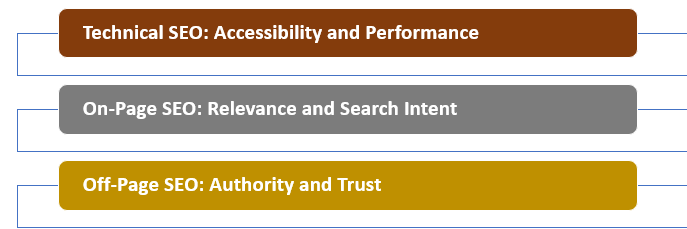
1. Technical SEO: Accessibility and Performance
Technical SEO ensures that a website is accessible, fast, secure, and usable.
Key components include:
a) Core Web Vitals
These measure user experience in loading speed, responsiveness and visual stability. Poor technical performance prevents good rankings, regardless of content quality.
b) Mobile-First Indexing
Search engines primarily use the mobile version of a website for indexing and ranking. A site must Be mobile-friendly and Have consistent content across devices
c) Security and Trust
HTTPS is a ranking and trust signal, especially for sites handling personal or financial data.:
2. On-Page SEO: Relevance and Search Intent
On-page SEO focuses on optimizing individual pages to match user intent. This involves the following key practices:
- Content Optimization
Creating high-quality content that aligns precisely with the user’s search intent is crucial; therefore, it is essential to determine whether visitors are seeking information to learn something (informational), trying to make a purchase or complete an action (transactional), or looking for a specific website (navigational), and accordingly, the content must demonstrate experience, expertise, authoritativeness, and trustworthiness (E-E-A-T), while also ensuring readability through the use of short paragraphs, bullet points, headings, and bolded text, as otherwise, users may quickly leave the page, which signals to search engines that the content is not useful. - Title Tags
The title tag serves as the clickable headline in search engine results and hence must include the primary keyword as early as possible, remain under sixty characters to avoid truncation, and be written compellingly so that users are more likely to click through to the page, which in turn can improve engagement metrics and indirectly influence rankings. - Meta Descriptions
Although meta descriptions are not a direct ranking factor, they significantly affect click-through rates; thus, writing a clear, persuasive snippet of approximately 150–160 characters that naturally incorporates the target keyword can attract more visitors to the page, which ultimately signals to search engines that the content is valuable. - Header Tags (H1, H2, H3)
Proper use of header tags helps structure content in a logical manner; consequently, the H1 tag should appear only once per page as the main title, while H2 and H3 tags should break the content into subtopics with naturally integrated keywords, thereby improving both user readability and search engine understanding of the page hierarchy. - URL Structure
A clean and descriptive URL enhances both user experience and search engine comprehension; hence, it is advisable to keep URLs short, include meaningful keywords that reflect the content accurately, and avoid random numbers or symbols, as excessively long or unclear URLs can reduce click-through rates and negatively impact rankings. - Internal Linking
Linking to other relevant pages within your website not only helps distribute ranking authority or “link juice” but also keeps users engaged by providing additional resources; moreover, descriptive and relevant anchor text improves crawlability and ensures that search engines can better understand the context and importance of linked pages. - Breadcrumbs
Breadcrumb navigation provides a visual trail of the user’s location within a website hierarchy, which therefore enhances usability, allows users to navigate back to previous sections easily, and helps search engines understand the structure of your website, thereby improving indexing and potentially boosting rankings. - Image Optimization
While images make content more engaging and easier to understand, they must be optimized carefully; thus, adding descriptive alt text improves accessibility and SEO, compressing images using modern formats like WebP reduces page load times without sacrificing quality, and using descriptive file names instead of generic ones like IMG_001.jpg further assists search engines in understanding the content of your images.
More key practices
- Page Speed & Core Web Vitals
Fast-loading pages are critical for both user satisfaction and SEO performance; therefore, optimizing Core Web Vitals—including Largest Contentful Paint (LCP), First Input Delay (FID) or Interaction to Next Paint (INP), and Cumulative Layout Shift (CLS)—ensures that pages load quickly, respond promptly to user interactions, and remain visually stable, all of which are key factors that search engines evaluate when ranking pages. - Mobile-First Design
Given that most users access websites via mobile devices, having a fully responsive design is essential; hence, Google primarily indexes the mobile version of a website, and ensuring that your site functions seamlessly across different screen sizes not only improves user experience but also enhances search engine rankings. - Schema Markup / Structured Data
Implementing structured data through schema markup allows search engines to better interpret your content, which can result in rich snippets in search results such as star ratings, FAQs, or event details, and consequently, these enhancements increase visibility and click-through rates, thus providing a competitive advantage in search listings. - Readability & User Experience (UX)
Finally, the overall readability and user experience of a page significantly affect engagement and SEO performance; therefore, using clear fonts, sufficient spacing, short paragraphs, bullet points, and logically organized content ensures that users stay longer, find information easily, and interact positively with the page, all of which are signals that search engines increasingly use to evaluate the value of a website.
3. Off-Page SEO: Authority and Trust
Off-page SEO refers to all optimization efforts that occur outside of your own website, aiming to enhance its authority, credibility, and trustworthiness in the eyes of search engines. Unlike on-page SEO, which is under your direct control, off-page SEO relies on how other websites, platforms, and users perceive your brand. Therefore, it is primarily about building reputation and demonstrating expertise and reliability across the web.
Components of off-page SEO.
1.High-quality backlinks. These are links from authoritative and relevant websites pointing to your site, which act as endorsements. Search engines interpret such links as signals of trust and expertise; thus, acquiring natural and relevant backlinks can significantly improve your search rankings. Conversely, manipulative practices like buying links or participating in link farms are penalized, as they undermine trust.
2.Brand mentions also play a vital role in off-page SEO. When other websites, blogs, or forums mention your brand, even without a direct link, search engines recognize these mentions as indicators of your online reputation. Hence, consistent brand visibility across credible platforms enhances perceived authority.
3.Reviews and ratings are another important factor. Positive reviews on platforms such as Google Business, Yelp, or industry-specific sites boost both user trust and search engine confidence. Therefore, actively managing and encouraging authentic reviews can strengthen your off-page SEO strategy.
4.Social visibility contributes to off-page authority. Although social signals (likes, shares, comments) may not directly affect rankings, they increase content exposure, attract potential backlinks, and drive traffic. Thus, a strong social presence indirectly enhances your website’s credibility and authority.
5. E-E-A-T: Human Quality Signals
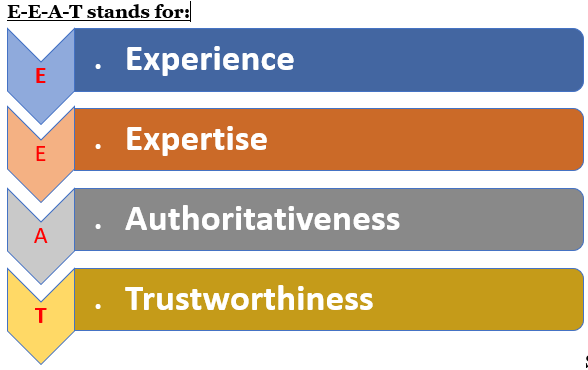
Search engines use this framework to evaluate content quality, especially for sensitive topics.
1 Experience
Content created from first-hand knowledge is prioritized over generic or AI-generated content.
2 Trust
Trust is the most critical signal. If content is untrustworthy, it will not rank, regardless of expertise. This is especially important for:
- Health content
- Financial advice
- Educational guidance
6. Local SEO and Geographic Relevance
Local SEO focuses on proximity-based search results.
Discover more on SEO Tools in 2026 https://learn-with-your-best-tutor.blogspot.com/2025/12/seo-tools-in-2026.html
Google Business Profile (GBP)
An optimized GBP helps businesses appear in local map results. Important elements include:
- Accurate address
- Operating hours
- Photos
- Reviews
Hyperlocal Content
Local SEO requires content tailored to specific neighborhoods and regions.
Example:
- “Digital marketing tutor in Westlands”
- “Affordable computer training in South C”
Managing Algorithm Updates and Volatility
Search engines frequently update algorithms.
Best practices include:
- Avoiding panic during updates
- Conducting content audits
- Improving topical depth
- Strengthening trust signals
Quality, human-centered content consistently performs best.
WHY SEO MATTERS
- Drives Organic Traffic – SEO ensures that a website appears in search results for relevant queries, which attracts users who are actively looking for specific information, products, or services, and hence, the traffic it generates is highly targeted and more likely to convert.
- Enhances User Experience – By following SEO best practices such as improving site speed, mobile-friendliness, and navigation, a website becomes easier and more enjoyable to use, which encourages visitors to stay longer, interact more, and return in the future.
- Builds Credibility and Trust – Websites that rank higher in search engine results are perceived as more authoritative and reliable, and therefore, SEO helps strengthen a brand’s reputation while signaling trustworthiness to potential customers.
- Cost-Effective Marketing – Unlike paid advertising that stops delivering results once the budget ends, SEO provides long-term visibility and sustainable traffic with minimal ongoing costs, making it a highly cost-efficient strategy over time.
- Ensures Competitiveness – In today’s digital landscape, businesses that neglect SEO risk losing potential leads and sales to competitors who actively optimize their websites, and thus, SEO is essential for maintaining and growing market presence.
- Supports Business Growth – By increasing visibility, attracting targeted traffic, and enhancing engagement, SEO contributes directly to achieving business objectives such as lead generation, sales, and customer retention.